Pay in installments of $5.12 with
 ,
,
 and
and

Shipping Estimate
USA
- USA
- CAN
- USA
- CAN
Ships within 48 hours · Estimated delivery Jun 29 - Jul 4
 Promo Codes Available:
For Your Every Summer RSVP, with Code: SUMMER15
Description
indoor crocus plant care Shop 'Crocus sativus - Saffron crocus Bulbs' Care and Growing GuideThe fall blooming Saffron crocus, also known as Crocus sativus, is a perennial flowering plant that is widely cultivated for its vibrant crimson stigmas, which are used to produce the expensive Saffron spice. This plant has been used to make the Saffron spice for over 3500 years, and it is renowned for striking violet Saffron crocus flowers and the aromatic red stigmas used in cooking, medicine, and dyeing. A symbol of luxury and tradition, the
The fall-blooming Saffron crocus, also known as Crocus sativus, is a perennial flowering plant that is widely cultivated for its vibrant crimson stigmas, which are used to produce the expensive Saffron spice.
This plant has been used to make the Saffron spice for over 3500 years, and it is renowned for striking violet Saffron crocus flowers and the aromatic red stigmas used in cooking, medicine, and dyeing. A symbol of luxury and tradition, the saffron crocus offers both aesthetic appeal and practical value, making it a favorite among gardeners and spice enthusiasts alike.
Native to southern regions of mainland Greece, the Crocus sativus is most commonly referred to as the saffron crocus, a name derived from its role as the source of saffron.
Other names include autumn crocus, Azafran, saffron plant, fall-blooming crocus, and spice crocus.
These names highlight either its flowering season or its culinary importance.
Saffron plant is a small, corm-based plant that typically grows to a height of 4 to 6 inches.
The plant has long, slender, grass-like green leaves with a white central stripe.
These striking features make the saffron crocus not only a valuable spice plant but also an attractive addition to rock gardens or in containers.
The Saffron Flowers: Nature’s Golden Treasure
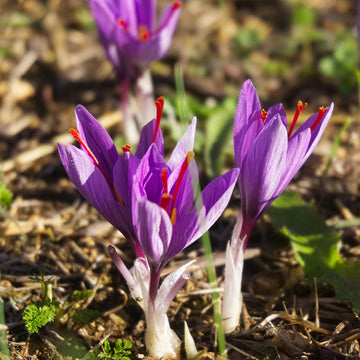
The Saffron flowers are strikingly beautiful, with delicate lilac-purple petals and vivid orange-red stigmas at their center, that yield the aromatic, exotic, and expensive culinary spice saffron.
Each Saffron plant produces only one or two flowers, making the harvest of saffron a meticulous and labor-intensive process. One of the most enchanting aspects of the saffron crocus is its autumnal flowering.
The flowers open in early to mid-autumn and last for about two to three weeks. Each Saffron flower yields just three stigmas, emphasizing the rarity and value of crocus plant saffron. The blooms are hermaphroditic and commercially valuable for their dried stigmas.
How to Harvest Saffron
Harvesting saffron is straightforward yet requires careful timing. When the saffron flowers bloom—typically in the early morning hours—you can pluck them while they are fully open to ensure the stigmas are at their freshest. Each flower produces three red stigmas, known as saffron threads, which are the spice’s prized component.
To extract the saffron, gently separate the stigmas from the flower petals, and then air-dry them in a cool, shaded area. Once dried, these vibrant threads are ready for use in cooking, offering their unmistakable flavor, aroma, and color to dishes.
Saffron flowers are visually stunning and last only 2-3 weeks, making timely harvesting crucial. While you can wait until the flowers begin to wilt slightly, harvesting them earlier preserves the highest quality of the stigmas. However, avoid waiting too long, as overly dried flowers can make stigma extraction more challenging and reduce their potency.
Note: The remaining flower petals, while no longer containing saffron, can be composted or repurposed as organic material for the garden.
Saffron is often called “red gold” due to its high market value and the effort required to produce even a small amount. It takes around 150 flowers to produce a single gram of dried saffron threads. The plant also has a rich history, having been used in ancient civilizations for medicinal purposes, culinary delights, and even as a dye for royal garments. Beyond its cultural and economic significance, the saffron crocus is also a pollinator-friendly plant, attracting bees and other beneficial insects to the garden.
Benefits of Saffron for Health
- Improved Mood: Saffron may help enhance mood and energy levels by increasing dopamine and serotonin. This makes it a potential aid for individuals dealing with mild to moderate depression.
- Reduced PMS Symptoms: Preliminary studies suggest that saffron can alleviate symptoms associated with premenstrual syndrome (PMS), such as mood swings and discomfort.
- Support for Weight Loss: By helping to suppress hunger, saffron may assist with weight management, making it a potential ally for individuals pursuing healthier lifestyles.
- Enhanced Heart Health: The spice’s anti-inflammatory properties may contribute to improved cardiovascular function and a healthier heart.
- Improved Eye Health: Studies indicate that saffron supplementation may enhance retinal function and slow the progression of age-related macular degeneration (AMD).
- Better Sleep Quality: Saffron’s calming properties may support better sleep by reducing anxiety and promoting relaxation.
- Reduced Inflammation: Its anti-inflammatory compounds may help lower inflammation in the body, aiding conditions such as arthritis or chronic pain.
When and How to Water Your Saffron Plant
Saffron crocus is remarkably drought-tolerant, making it an ideal choice for arid regions or water-conscious gardens. While it can withstand periods of dryness, proper watering at the right time is essential to encourage flower production and bulb health. Overwatering, especially during its dormant phase, can lead to bulb rot and other issues.
In the fall, during its active growing season, the saffron crocus plant requires regular watering to support its flowering and foliage development. Start by providing a deep watering when shoots first emerge, ensuring the soil is moist but not waterlogged. Continue to water about once a week or whenever the top inch of soil feels dry. The key is consistency without saturation; too much moisture can hinder flower production. Proper watering also supports the quality of dry saffron's volatile fraction, particularly its aroma.
In late spring to late summer, saffron crocus bulbs enter dormancy, and its water needs decrease significantly. Reduce watering as the foliage begins to yellow and die back, eventually stopping altogether once the plant is fully dormant in winter. During this period, the bulbs prefer dry conditions to prevent rotting. If growing in areas with summer rain, consider lifting and storing the bulbs in a cool, dry place to avoid moisture-related issues.
Light Requirements – Where to Place Your Saffron Crocus
When growing saffron plants indoors, place the pots in a location that receives bright, indirect sunlight for at least 6 to 8 hours daily.
South- or west-facing windows are ideal for ensuring the Crocus sativus bulbs get adequate light for flowering.
If natural light is insufficient, supplement with a grow light set to mimic daylight for the same duration.
Rotate the pots weekly to ensure even growth and prevent the leaves from leaning toward the light source.
The quality and timely shipping of flower bulbs are crucial for successful growth, as they need to be planted promptly to ensure they receive the necessary light.
For outdoor cultivation, saffron crocus thrives in full sun, requiring at least 6 hours of direct sunlight daily. Choose a spot that remains sunny throughout the day, such as a south-facing garden bed. This can be a location that is partially shaded by deciduous trees during the summer when saffron bulb plants are dormant but then provides full sun when the trees drop their leaves. In cooler regions, planting in a location that receives morning sun can help warm the soil and promote earlier growth.
Optimal Soil and Fertilizer Needs
The Saffron crocus plant requires well-drained soil to prevent waterlogging and promote healthy root development. Ensure the pH is slightly acidic to neutral, ranging between 6.0 and 7.0.
Planet Desert has specialized potting soil, opens in a new tab that includes an organic substrate with mycorrhizae to help with the growth of a healthy root system to help your plant thrive. Poorly draining soils can be amended with coarse sand or gravel to improve aeration. Well-drained soil also supports the production of crocin underlying saffron's aroma, a significant carotenoid pigment.
Fertilize your saffron plant sparingly, as excessive nutrients can lead to lush foliage at the expense of flowers. Apply a balanced, slow-release NPK fertilizer in early fall when growth begins. Avoid high-nitrogen fertilizers, which can inhibit flowering. A light top dressing of compost or well-rotted manure can also provide necessary nutrients.
Hardiness Zones & More
When growing indoors, saffron crocus bulbs thrive in temperatures between 60°F and 70°F. Maintain moderate humidity levels, as overly humid environments can encourage fungal issues. Place the pots in a bright, well-ventilated area, and avoid locations with drastic temperature fluctuations, such as near heaters or drafty windows.
For outdoor cultivation, saffron crocus is hardy in USDA zones 6-9.
In these zones, it can withstand mild winters and thrive in dry, warm summers.
They can tolerate lower temperatures for short periods of time, but if your winters are too cold, dig them up after the fall bloom and transplant them to containers to overwinter in a sheltered location.
It prefers low-humid environments, as excessive moisture can increase the risk of bulb rotting.
Ensure the planting site is in full sun, with adequate soil drainage to protect against prolonged wet conditions. Be cautious not to confuse saffron crocus with meadow saffron, which is poisonous.
Wildlife – Crocus sativus Attracts the Following Friendly Pollinators
The Crocus sativus bulbs plant attracts various pollinators, including bees, hummingbirds, and butterflies, which are drawn to its vibrant purple flowers. These pollinators play a crucial role in maintaining biodiversity and supporting surrounding ecosystems. While saffron crocus does not rely heavily on pollination for reproduction, its flowers provide a valuable nectar source during the fall. Marigold flowers are also known to attract pollinators and are sometimes used as substitutes for saffron.
Saffron crocus is generally safe for humans and is not very toxic to pets, but it can cause gastrointestinal upset if ingested in a large amount. It is safe to touch and handle, but it’s important to keep in mind that some individuals may have allergic reactions to saffron crocus.
How to Propagate Your Saffron Crocus
Saffron crocuses are best propagated by dividing the saffron corms. After the plant has entered dormancy in late spring or early summer, carefully plant corms. Separate the smaller offsets from the parent corm, ensuring each has a healthy basal plate. Replant the offsets in fresh, well-draining soil, spacing them 4 to 6 inches apart, or store them in a cool, dry place until the next planting season.
Key Takeaways
- Saffron crocus produces saffron, the world’s most valuable spice, often referred to as "red gold" due to its high cost and labor-intensive harvesting process.
- This resilient plant is cold-hardy in USDA Zones 6-9 and can survive mild frosts, making it suitable for a variety of climates with proper care.
- Unlike most crocus species that flower in spring, saffron crocus blooms in the fall, adding a burst of vibrant purple to gardens during the cooler months.
- The flowers attract bees and other beneficial insects, making them an excellent choice for eco-conscious gardeners.
- Saffron crocus is easy to grow in well-drained soil and full sun, requiring minimal care. The corms multiply over time, providing more blooms and saffron harvests each year.
The Bottom Line
Overall, the Saffron crocus (Crocus sativus) is a low-maintenance, drought-tolerant bulb known for its striking purple flowers and valuable saffron threads. It is a plant of exceptional beauty and utility, combining ornamental charm with practical benefits. This expensive and labor-intensive spice is used to dye fabrics, but it is primarily used to flavor foods. It thrives in well-draining soil and sunny locations, making it perfect for indoor pots or outdoor garden beds. With proper care, including timely watering, suitable soil, and balanced fertilization, this plant rewards growers with vibrant blooms and the culinary treasure of saffron. Its resilience, combined with pollinator attraction and ornamental appeal, makes it a worthwhile addition to any garden. Order your very own Saffron crocus for sale today!
Shipping Notes
- Free Standard Shipping on $100+ Orders to the USA.
- Except Preorder products are shipped in 48 hours.
- Delivery to the USA:
- Standard Shipping : 3-10 business days
- If time is of the essence, please consider selecting expedited delivery for faster service.
Exchange/Return Notes
- We offer a 30-day return/exchange service after receiving.
- Final sale items are not eligible for returns or exchanges.
- To process your return/exchange, please contact us at [email protected]
- Please click here for more details>>> Return & Exchange Policy